Cutscene - Research
Research
 Throughout
all media industries, the use of three dimensional (3D) models has grown so
prevalent that it’s rare to see anything without something 3D modelled.
From big budget films to small adverts that show on TV, the use of 3D grows every day. This is because 3D modelling allows a level of freedom, creativity
and realism that cannot always be achieved through real life footage such as
in; Fantasy, Sci-Fi or Historical features. 3D can also be used to simply enhance
what is already on screen.
Throughout
all media industries, the use of three dimensional (3D) models has grown so
prevalent that it’s rare to see anything without something 3D modelled.
From big budget films to small adverts that show on TV, the use of 3D grows every day. This is because 3D modelling allows a level of freedom, creativity
and realism that cannot always be achieved through real life footage such as
in; Fantasy, Sci-Fi or Historical features. 3D can also be used to simply enhance
what is already on screen.
3D has been used in entertainment for almost a hundred
years, with the first ever 3D film debuting in 1922. This film was “The
Power of Love” and was displayed in 3D by using an early form of 3D
imaging called ‘anaglyph’. This is the use of two
different images taken a few centimeters apart and displayed through a red and
blue or red and green filter so that two images appear on screen. The viewer
must then wear anaglyph glasses that have one lens of the corresponding colour
so that when the screen is viewed, the focal distance of the average human
refocuses the images making them appear in 3D. This technique was then used for
a number of decades until technology was advanced enough to allow use of
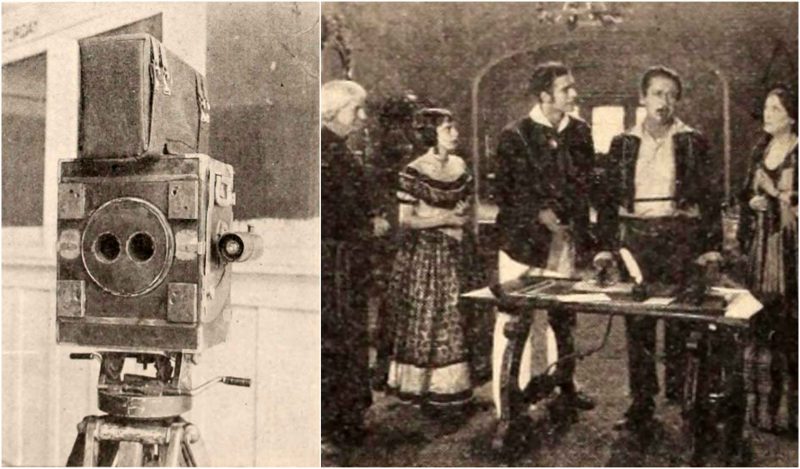
digital modelling techniques. As can be seen in image [1], the camera used at
the time has two viewing ports set a few inches apart. This is to mimic the
distance of human eyes so that when the dual colour glasses are worn, the image
can appear as 3D.
 Although
this was the first use of 3D, most studios abandoned the feature until the 1970’s
and 80’s. During this time, a number of films were released
to try and rekindle the old style of anaglyphs but were usually met with poor
reviews and most would end up being forgotten by the public. During the late 80’s,
Japanese developers produced allowed for the display of 3D footage on standard
playback devices in the home. This too was short-lived as there were only a
dozen titles for this system and it was discontinued in the early 90’s.
Although
this was the first use of 3D, most studios abandoned the feature until the 1970’s
and 80’s. During this time, a number of films were released
to try and rekindle the old style of anaglyphs but were usually met with poor
reviews and most would end up being forgotten by the public. During the late 80’s,
Japanese developers produced allowed for the display of 3D footage on standard
playback devices in the home. This too was short-lived as there were only a
dozen titles for this system and it was discontinued in the early 90’s.
During the mid-1980’s, the film format of ‘IMAX’ was produced which allowed for a better 3D experience than the spew of B-Class films from a few years before. 3D IMAX films were originally released as a ‘special event’ type of thing with audience members viewing on an impressively large screen and higher quality imaging. The use of glasses was also updated, going from the flimsy cardboard red/blue or simple polarized glasses to using active LCD shutter glasses [3]. These worked by using a transmitter that synchronized with the screen’s display rate. Since they were a powered device, they were somewhat bulkier then the previous counterparts but displayed a superior image and 3D effect, so they were preferred for the most part.
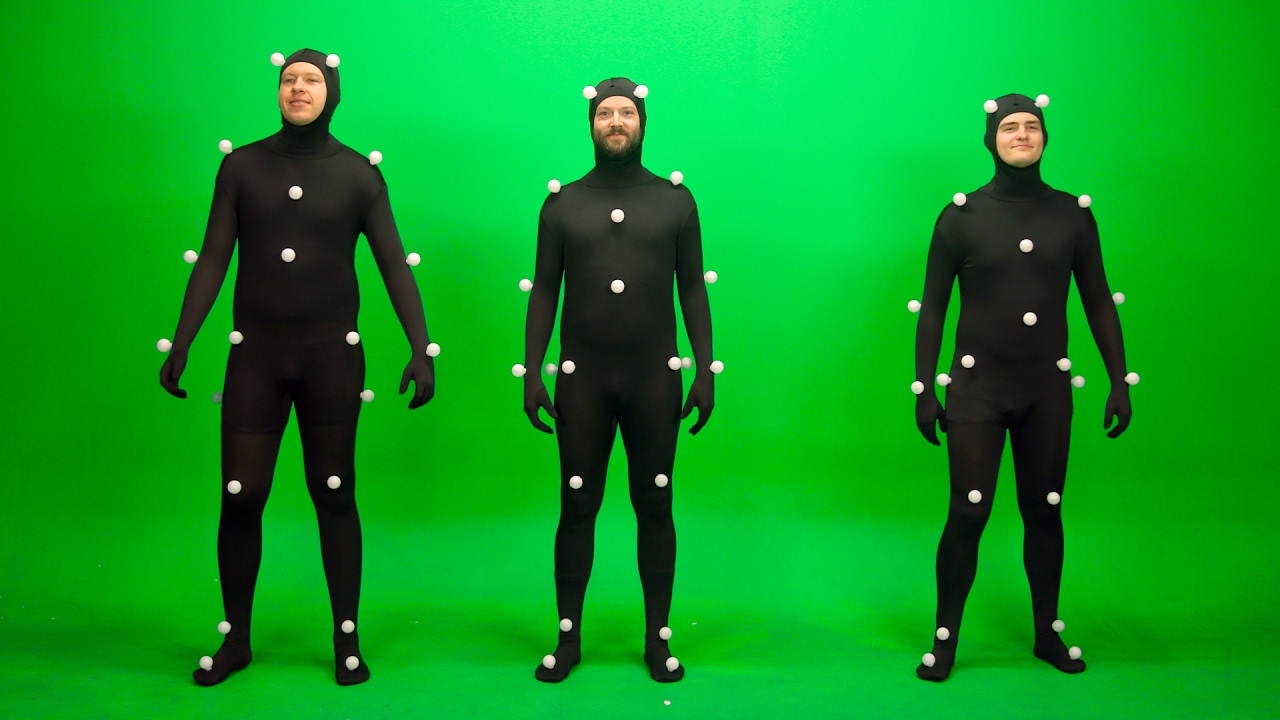
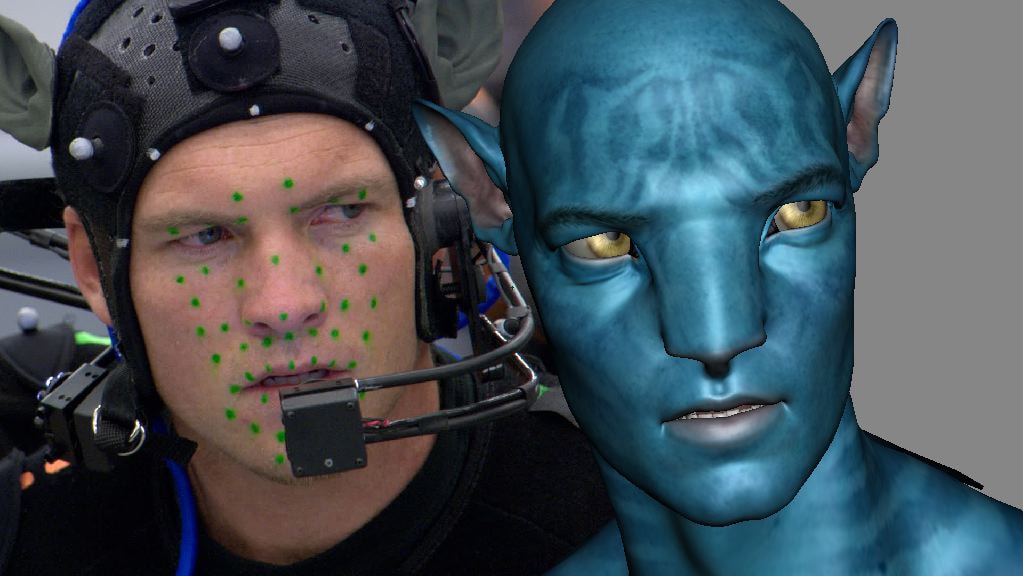
These suits have evolved over the
twenty to thirty years they have been in use. The suits were originally a skin
tight suits with small white balls placed in key locations to allow for a
digital skeleton to be made from their movements. This evolved into suits with
much smaller reference points with many more on the body to better capture the
movements of the characters with spots added to the faces of actors allowing
for the mimicry of facial expressions.

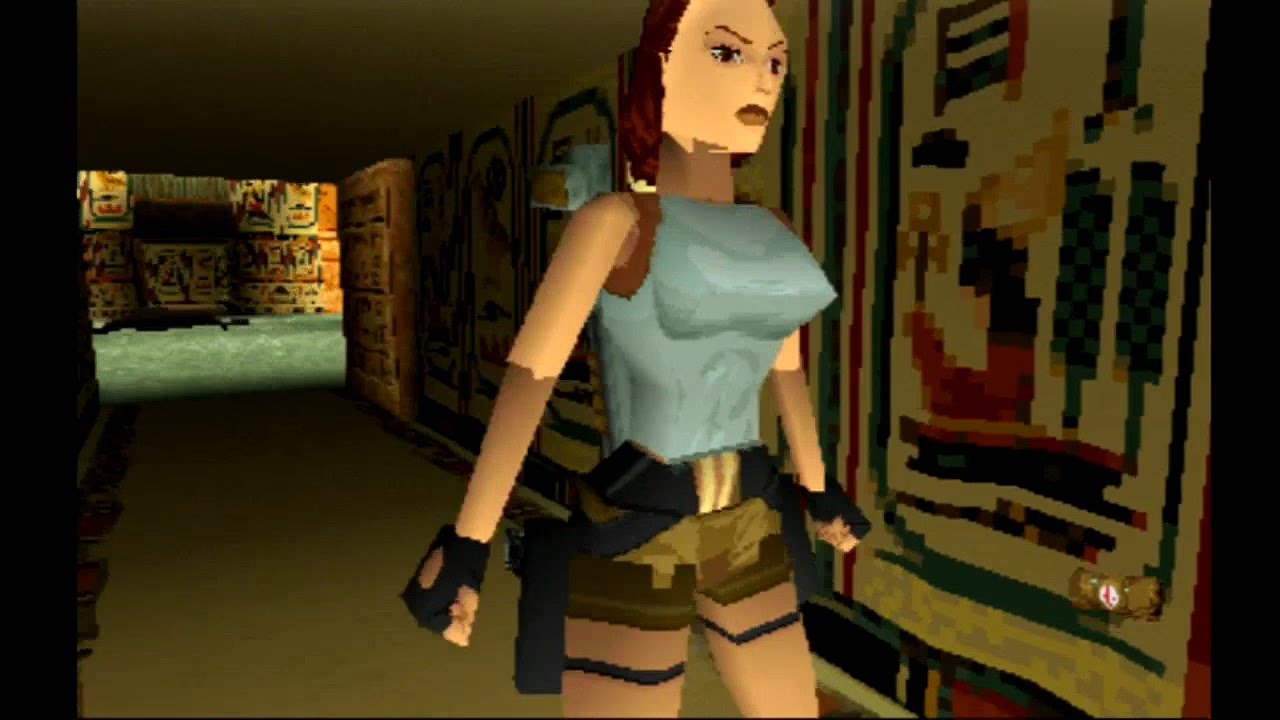 The problem with 3D games from this period is that the technology capable of
running 3D was very basic and to do it with any great level of detail took
technology that was not available for home use. Because of this, early 3D games
used a lot of shortcuts to allow the games to run in 3D whilst still being
applicable for home use. In the original Tomb Raider game, the main character
had such a low poly count, her face was almost flat and everywhere that should
have been round and curved instead came to a prominent point [7].
Despite this, the fact that any game could be made 3D outweighed this downside
and people still thought of the graphics as groundbreaking at the time.
The problem with 3D games from this period is that the technology capable of
running 3D was very basic and to do it with any great level of detail took
technology that was not available for home use. Because of this, early 3D games
used a lot of shortcuts to allow the games to run in 3D whilst still being
applicable for home use. In the original Tomb Raider game, the main character
had such a low poly count, her face was almost flat and everywhere that should
have been round and curved instead came to a prominent point [7].
Despite this, the fact that any game could be made 3D outweighed this downside
and people still thought of the graphics as groundbreaking at the time. 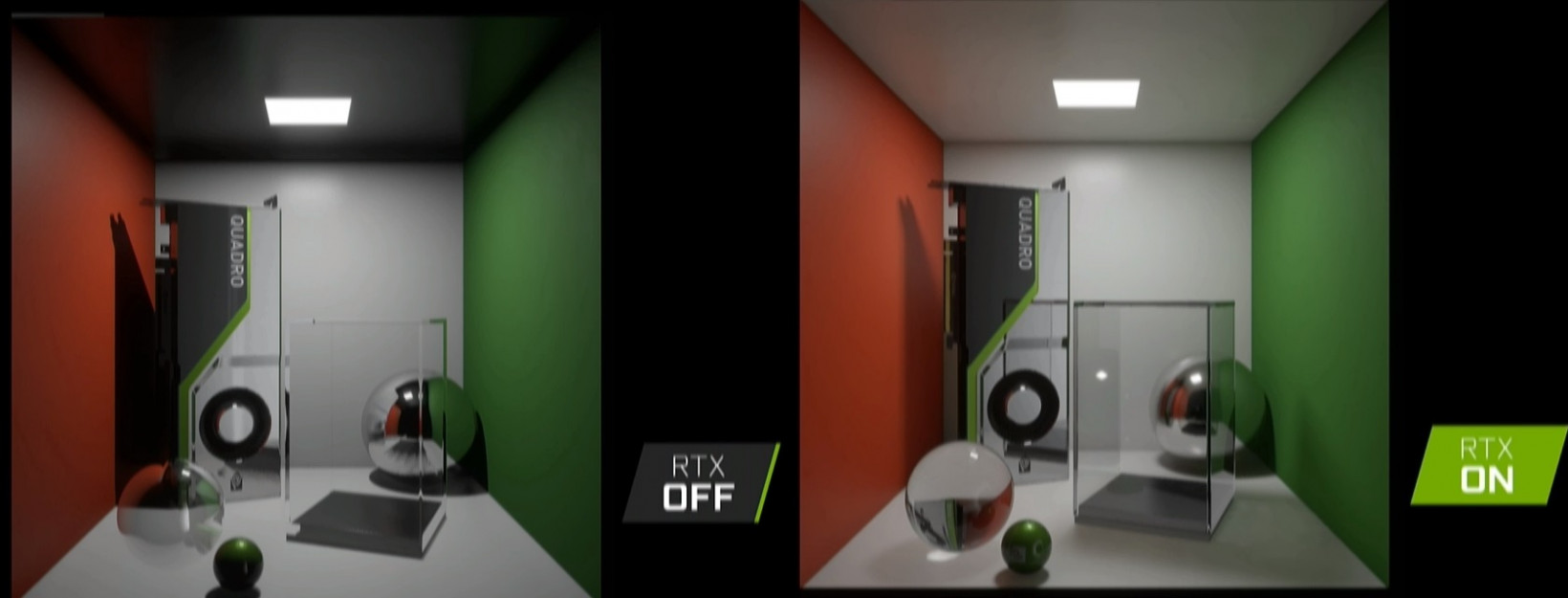
In our current generation, the use of 3D in games is phenomenal. With a powerful enough PC, games can be run in such high detail that it can sometimes be hard to tell whether or not the image is a digital render or a real-life photograph. With the up and coming release of games such as ‘Battlefield 5’ the gaming industry has never been more visually stunning. The graphics card production company ‘NVIDIA’ has developed a new system which allows for real-time ray tracing. This means that the game will render light rays as they are produced but only in relevant areas. This allows for dynamic reflections, hyper-realistic shadows and near perfect texturing on all assets.
 A technique that is often used
by companies to create a 3D object is by scanning in a real object. This is
process where an object is made in the real world by hand such as a sculpture
or by collecting items that can be as simple as a lightbulb or screwdriver and
using a device to scan a copy of said object into a digital space. This technique
is usually reserved for very complex shapes that would be time consuming and
costly to develop as a model, therefore it is easier to create a model in the
real world out of clay or sometimes stone like from a statue and then scan it
in to be used as a model.
A technique that is often used
by companies to create a 3D object is by scanning in a real object. This is
process where an object is made in the real world by hand such as a sculpture
or by collecting items that can be as simple as a lightbulb or screwdriver and
using a device to scan a copy of said object into a digital space. This technique
is usually reserved for very complex shapes that would be time consuming and
costly to develop as a model, therefore it is easier to create a model in the
real world out of clay or sometimes stone like from a statue and then scan it
in to be used as a model.  3D scanning
works by placing the subject model on the bed of the digitizer to be scanned. A
thin line laser is then fired at the object to start gathering data points.
These points are picked up by two or more sensors that map out the changing
shape and distance of the laser by reading the light reflected off of the
object and display a render in digital space. Since this method involves
reading light beams, the process is very fast and efficient with a very high
margin of error, with some machines being able to read up to 750,000 points of
detail per second at an accuracy in the realms of a ten thousandth of a
millimeter.
3D scanning
works by placing the subject model on the bed of the digitizer to be scanned. A
thin line laser is then fired at the object to start gathering data points.
These points are picked up by two or more sensors that map out the changing
shape and distance of the laser by reading the light reflected off of the
object and display a render in digital space. Since this method involves
reading light beams, the process is very fast and efficient with a very high
margin of error, with some machines being able to read up to 750,000 points of
detail per second at an accuracy in the realms of a ten thousandth of a
millimeter.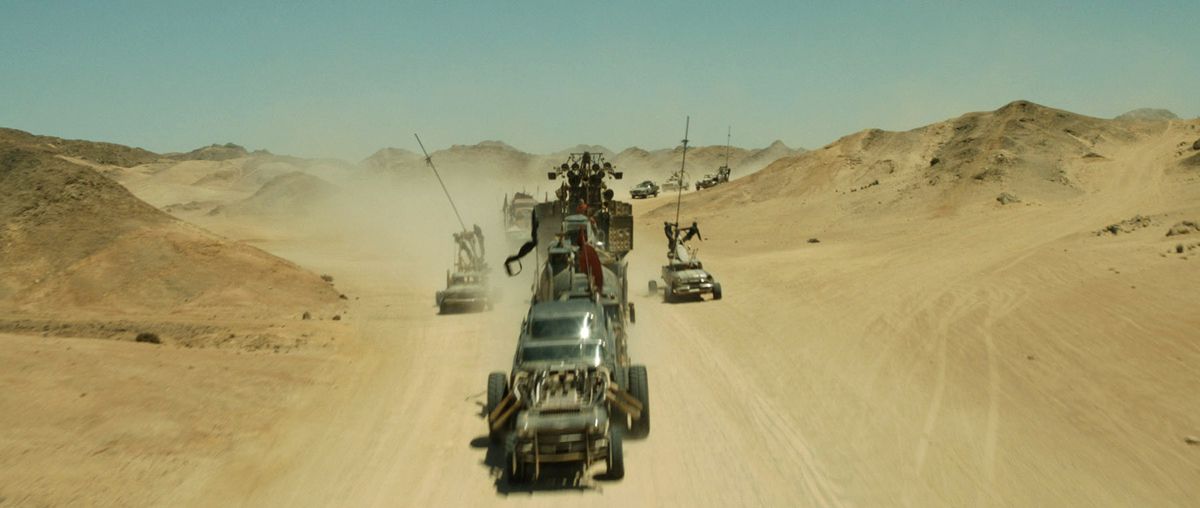 The use of
3D isn’t always as simple as creating an asset and placing it
into a scene, sometimes the 3D that is put into place has to meld seamlessly
into the scene that is already there. A lot of films shot as live-action use 3D
modelling to help build the scenery.
The use of
3D isn’t always as simple as creating an asset and placing it
into a scene, sometimes the 3D that is put into place has to meld seamlessly
into the scene that is already there. A lot of films shot as live-action use 3D
modelling to help build the scenery. 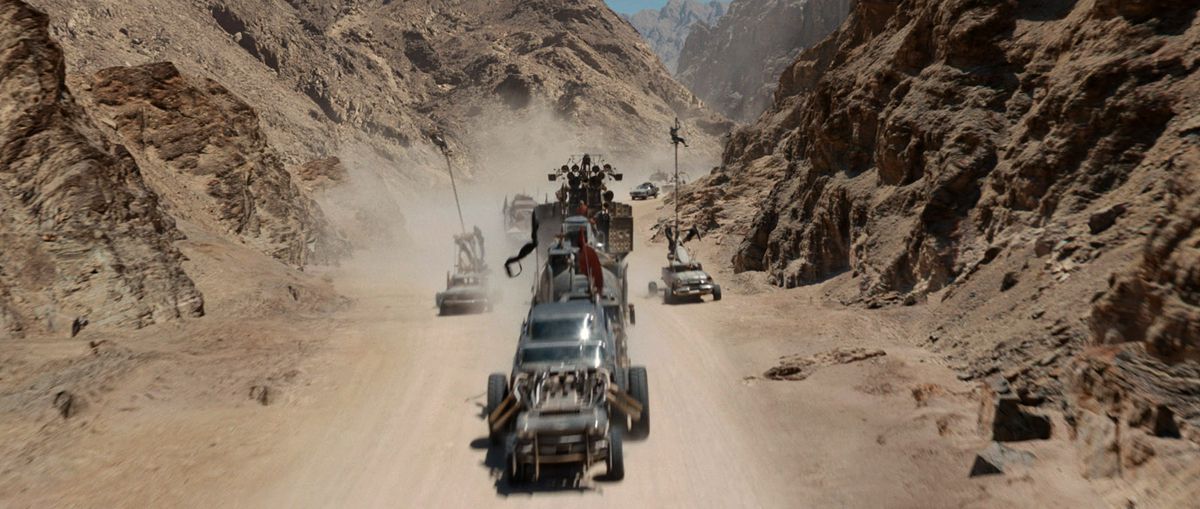 One example of this being done to a high standard is
in the 2015 film ‘Mad Max Fury Road’. For
the scene in which a character is being chased through a canyon, although it looks as real as
can be, the original, un-edited footage is much different. The scene was filmed
in Namibia across a hilly, sandy area with mounds not much bigger than the vehicles
themselves. This was then changed in production into the dangerous looking
ravine area. This was done because it is both difficult and dangerous to film
in such a location.
One example of this being done to a high standard is
in the 2015 film ‘Mad Max Fury Road’. For
the scene in which a character is being chased through a canyon, although it looks as real as
can be, the original, un-edited footage is much different. The scene was filmed
in Namibia across a hilly, sandy area with mounds not much bigger than the vehicles
themselves. This was then changed in production into the dangerous looking
ravine area. This was done because it is both difficult and dangerous to film
in such a location. 3D
technology has also become so advanced that there are companies that produce
exclusively 3D animated films and are highly profitable in their efforts. Some
of the biggest companies that do this are ‘Pixar’ and
‘Dreamworks’. These two companies make
animated feature films of such a high caliber that they have both become a
worldwide household name. Pixar is renowned using a more cartoonish style with
their models, having made such films as ‘Toy
Story’, ‘The Incredibles’ and
‘Finding Nemo’. These films have characters
that are either personified creatures or superheroes with unobtainable body
proportions. This style works well because Disney has a primary audience of
young children and families which means the art style appeals more to the
younger audience.
3D
technology has also become so advanced that there are companies that produce
exclusively 3D animated films and are highly profitable in their efforts. Some
of the biggest companies that do this are ‘Pixar’ and
‘Dreamworks’. These two companies make
animated feature films of such a high caliber that they have both become a
worldwide household name. Pixar is renowned using a more cartoonish style with
their models, having made such films as ‘Toy
Story’, ‘The Incredibles’ and
‘Finding Nemo’. These films have characters
that are either personified creatures or superheroes with unobtainable body
proportions. This style works well because Disney has a primary audience of
young children and families which means the art style appeals more to the
younger audience.  Dreamworks on the other hand has a reputation for making
films that are so high in quality it is possible to see individual hairs even
in small areas such as eyebrows and eyelashes. However, they do still use a
more cartoonish style, just not as disproportionate as Pixar. The most notable
films that Dreamworks have made are ‘How to Train Your Dragon’, ‘Shrek’ and
‘Kung Fu Panda’. While the main characters in
these are either not human or in the case of the first one, a literal Dragon,
they are still much more realistic in the ways they move and look.
Dreamworks on the other hand has a reputation for making
films that are so high in quality it is possible to see individual hairs even
in small areas such as eyebrows and eyelashes. However, they do still use a
more cartoonish style, just not as disproportionate as Pixar. The most notable
films that Dreamworks have made are ‘How to Train Your Dragon’, ‘Shrek’ and
‘Kung Fu Panda’. While the main characters in
these are either not human or in the case of the first one, a literal Dragon,
they are still much more realistic in the ways they move and look. The style
of 3D modelling influences the feel of the game massively. Whether it’s a
child friendly game or an action-packed gore fest, if the modelling isn’t in
keeping with the feel of the game, nothing would work. Using the example of the
recent remake of ‘Doom’, it is possible to see this
at play. From the first moment the player begins, they are bombarded by sights
and experiences and because of this, the modelling has to follow suit. Whether
it’s in an industrial area or a rocky, mountainous
region, a rule can be created of having areas full of sharp outcrops or various
forms of structure covering almost every available space. It helps to encourage
to frantic pace the game sets by further throwing visual information at the
player.
The style
of 3D modelling influences the feel of the game massively. Whether it’s a
child friendly game or an action-packed gore fest, if the modelling isn’t in
keeping with the feel of the game, nothing would work. Using the example of the
recent remake of ‘Doom’, it is possible to see this
at play. From the first moment the player begins, they are bombarded by sights
and experiences and because of this, the modelling has to follow suit. Whether
it’s in an industrial area or a rocky, mountainous
region, a rule can be created of having areas full of sharp outcrops or various
forms of structure covering almost every available space. It helps to encourage
to frantic pace the game sets by further throwing visual information at the
player. 

 Doing this was a good choice by the developers because it has another benefit
of being much easier to run for lower power PC’s. This
is another big reason why modeling has to have so much thought put into it.
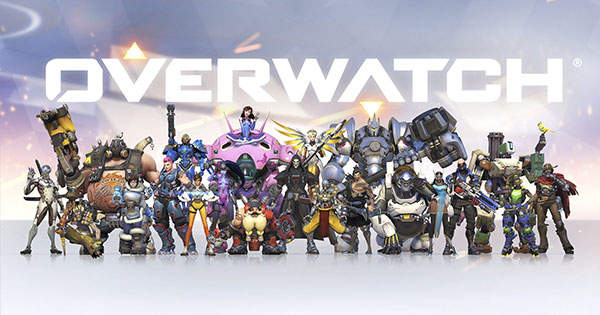
Overwatch is designed to be fast paced with a lot of action going on at almost
all times, because of this, if the models were very high poly, even the
stronger PC’s would struggle to run smoothly.
Doing this was a good choice by the developers because it has another benefit
of being much easier to run for lower power PC’s. This
is another big reason why modeling has to have so much thought put into it.
Overwatch is designed to be fast paced with a lot of action going on at almost
all times, because of this, if the models were very high poly, even the
stronger PC’s would struggle to run smoothly. When displaying cutscenes or
footage, games and media can do one of two things, either pre-render the scene
or play it as a real-time render. Both of these methods have their own
positives and negatives, so it usually comes down to what’s
more applicable at that time. Pre-rendered cutscenes are when a computer
renders out the scene in full before the time it is being played, this means it
can be played as a video format saved into the files of the game. On the other
hand, a real time rendered cutscene is being rendered in game by the operator’s
computer. This can be hindered by the speed of the computer as a faster PC will
render scenes much faster.
When displaying cutscenes or
footage, games and media can do one of two things, either pre-render the scene
or play it as a real-time render. Both of these methods have their own
positives and negatives, so it usually comes down to what’s
more applicable at that time. Pre-rendered cutscenes are when a computer
renders out the scene in full before the time it is being played, this means it
can be played as a video format saved into the files of the game. On the other
hand, a real time rendered cutscene is being rendered in game by the operator’s
computer. This can be hindered by the speed of the computer as a faster PC will
render scenes much faster.A pre-rendered cutscene is created long before a game or production is released because it can take literal hours to render out just a few minutes, or even seconds, of footage. Because of this the rendering is done while production is still ongoing and cannot be feasibly done by any computer someone owns. The benefits of doing this though is that a very high amount of detail can be used. Since the user’s computer doesn’t have to render the scene, developers can put in detailed lighting, high poly models and complex shaders to make the scene look as detailed and impressive as they require. This makes them good for large cinematic sequences that are key to building story in the game. Any time a film or series is produced it is pre-rendered for the convenience and use of the general public. One downside to using a pre-rendered cutscene is that there is no way to interact with anything that’s going on in the scene.

A cutscene that is rendered in real time, however, does have the ability to be interacted with. Since a real time render is being created in the moment by the user’s PC, the player is able to have a level of intractability with the cutscene. Because the game would need to render this at the same time as everything else in the area, the quality of both the animation and visual effect is fairly diminished compared to a pre-rendered cutscene. The lighting and modeling has to be quite minimal and simplistic in most cases thanks to the need to render a lot of things at once in a dynamic space. The upside however is that they can be played within the scene almost no matter where the character is. Examples of these are things such as the animations that happen when a player opens a lock [21] or when the player can move the camera or even the character while the cutscene is playing.
 Cutscenes,
like all productions, have to go through a pipeline before they can be
developed. This pipeline is what encompasses the entire project from the
initial concept until the final result. Following this pathway is what allows
all the members of a team to do their jobs in the right order whilst also
making sure everything that needs an earlier stage is complete. The pipeline
can be broken down into pre-production, production and post-production which
means each of the stages of the design process fall into one of these
categories and developers can’t move on to the next step
without completing the current step.
Cutscenes,
like all productions, have to go through a pipeline before they can be
developed. This pipeline is what encompasses the entire project from the
initial concept until the final result. Following this pathway is what allows
all the members of a team to do their jobs in the right order whilst also
making sure everything that needs an earlier stage is complete. The pipeline
can be broken down into pre-production, production and post-production which
means each of the stages of the design process fall into one of these
categories and developers can’t move on to the next step
without completing the current step. The first step of the pipeline is the pre-production.
At this stage the product is nothing more than an idea, it may have a few
concept sketches made by the person who pitched it but other than this, there
is nothing more than an idea. This idea must be then taken before a board of
developers who will decide whether they think it’s a
good enough idea to spend the time, funds and resources into the project. If
they think the pitch has potential, it will then be sent on to have concept
sketches, if none have been made already, and a storyboard allowing developers
to better see how the product will pan out. After the storyboard is complete,
it is turned into an animatic by putting every frame in order for the correct
amount of time as well as adding very basic sounds into the animatic which can
sometimes be nothing more than the artists or editors using their voices to
make the sounds. At this stage, the production can be shut down if the
developers don’t feel the animatic has any real future as a
production.
The first step of the pipeline is the pre-production.
At this stage the product is nothing more than an idea, it may have a few
concept sketches made by the person who pitched it but other than this, there
is nothing more than an idea. This idea must be then taken before a board of
developers who will decide whether they think it’s a
good enough idea to spend the time, funds and resources into the project. If
they think the pitch has potential, it will then be sent on to have concept
sketches, if none have been made already, and a storyboard allowing developers
to better see how the product will pan out. After the storyboard is complete,
it is turned into an animatic by putting every frame in order for the correct
amount of time as well as adding very basic sounds into the animatic which can
sometimes be nothing more than the artists or editors using their voices to
make the sounds. At this stage, the production can be shut down if the
developers don’t feel the animatic has any real future as a
production.If the animatic gets cleared and development can move forward, everything moves onto production. This is where the biggest bulk of work is done. The first thing that must be done is research and development (R&D) where the production team carries out research into what work they need to do, such as model ideas, themes, environments and ideas of how to build the project. Following this is the modeling portion of development, this combined with the texturing, rigging and animating makes up the largest section of work.


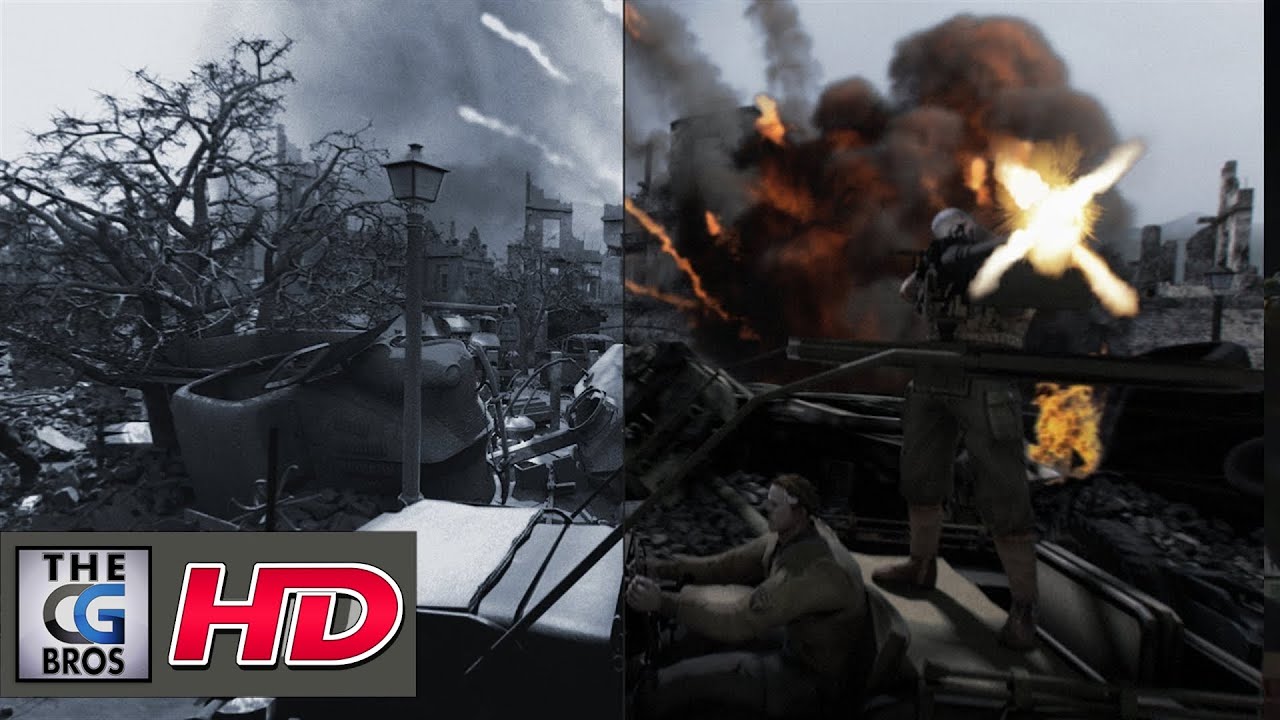 This is where the models
get made by the company to the specifications from the R&D. With the models
complete they get textured and rigged so that they are fully ready to be
implemented into the scene. At this stage, the animating can finally commence.
This takes up a long time because a lot off effort needs to go into every frame
and in most animations, there are hundreds and thousands of frames. With the
animating complete, the final step of production is to add the visual (VFX) effects
and lighting. This is things such as smoke, fire, any particle effects and
ensuring the lights looks as realistic as possible. The animations finally get
rendered out and sent off for the final stage of production.
This is where the models
get made by the company to the specifications from the R&D. With the models
complete they get textured and rigged so that they are fully ready to be
implemented into the scene. At this stage, the animating can finally commence.
This takes up a long time because a lot off effort needs to go into every frame
and in most animations, there are hundreds and thousands of frames. With the
animating complete, the final step of production is to add the visual (VFX) effects
and lighting. This is things such as smoke, fire, any particle effects and
ensuring the lights looks as realistic as possible. The animations finally get
rendered out and sent off for the final stage of production.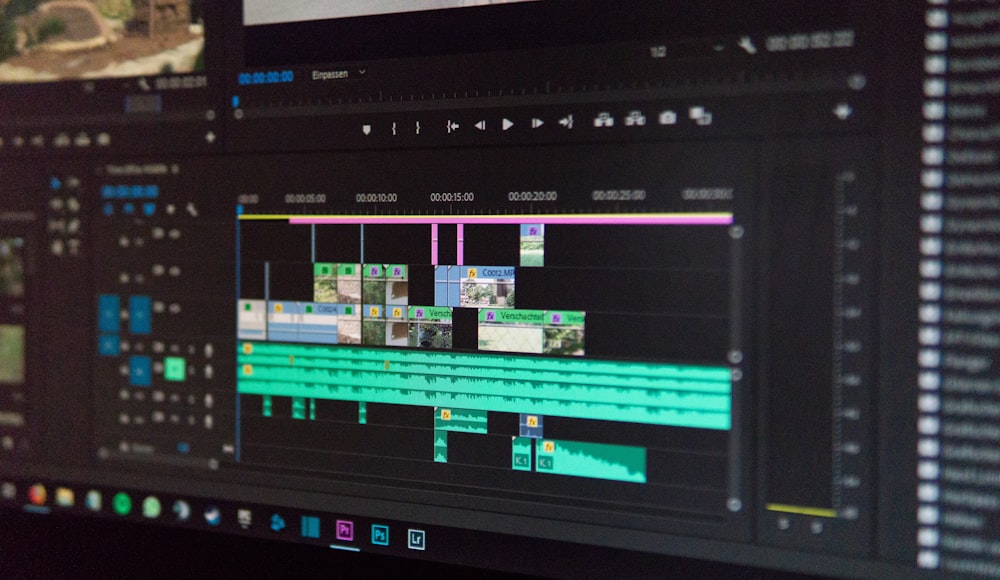 Before
being sent out for public viewing all the post production must be completed,
the rendered animation must first be composited into one sequence. This is done
by collecting all the rendered scenes and editing them together seamlessly to
look like one clip. The editors will finally work with foley artists to add
realistic sounds to the animation. Once composited into one sequence, the files
are sent off to either a colour correction studio or first into 2D VFX to add
any extra details over the top of the production, otherwise they are sent to
ensure the colour of the sequences are realistic and correct in how they are
shown. Once all of this effort has been completed, the product can be finally
rendered and exported into the final product and sent out for public viewing.
Before
being sent out for public viewing all the post production must be completed,
the rendered animation must first be composited into one sequence. This is done
by collecting all the rendered scenes and editing them together seamlessly to
look like one clip. The editors will finally work with foley artists to add
realistic sounds to the animation. Once composited into one sequence, the files
are sent off to either a colour correction studio or first into 2D VFX to add
any extra details over the top of the production, otherwise they are sent to
ensure the colour of the sequences are realistic and correct in how they are
shown. Once all of this effort has been completed, the product can be finally
rendered and exported into the final product and sent out for public viewing.
References


http://vertexmodelling.co.uk/wp-content/uploads/2016/04/Vertex-Modelling-Arch-of-Triumph-04.jpg [24]
Comments
Post a Comment